Raja Ampat Cruise
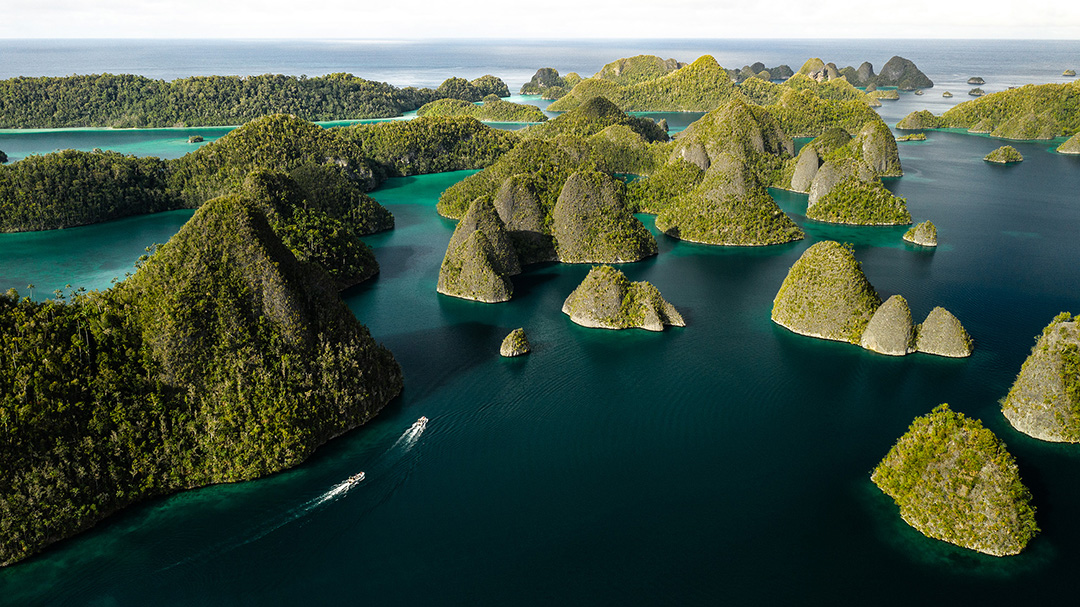
A visual spectacle with unmatched karst limestone landscapes and crystal clear waters.

Sail the world’s most biodiverse waters
Explore mystical jellyfish lakes, uncharted mangrove forests, and pristine coral reefs in Raja Ampat.
Known for its unique topography, Raja Ampat captivates with the enigmatic beauty of its limestone karst island clusters. The archipelago – made up of over 1,500 islands – bewilders and enthralls explorers with dramatic landscapes that shelter secret lagoons, bays, beaches, and the magical blue river of Kali Biru. Surrounding these forested islands are some of the most biodiverse marine environments on the planet. Raja Ampat is known to harbor one of the richest coral reef ecosystems as well as a wide array of marine life, with new species being identified constantly. Every day spent in this East Indonesian paradise is an opportunity for new discoveries and unforgettable memories.
Sail the world’s most biodiverse waters
Explore mystical jellyfish lakes, uncharted mangrove forests, and pristine coral reefs in Raja Ampat.
Known for its unique topography, Raja Ampat captivates with the enigmatic beauty of its limestone karst island clusters. The archipelago – made up of over 1,500 islands – bewilders and enthralls explorers with dramatic landscapes that shelter secret lagoons, bays, beaches, and the magical blue river of Kali Biru. Surrounding these forested islands are some of the most biodiverse marine environments on the planet. Raja Ampat is known to harbor one of the richest coral reef ecosystems as well as a wide array of marine life, with new species being identified constantly. Every day spent in this East Indonesian paradise is an opportunity for new discoveries and unforgettable memories.
Great Mekong cruise for
 Nature Lovers
 Adventur
 Wildlife
 Eco-travelersNature LoversAdventurWildlifeEco-travelers
Early Bird Bonus
Enjoy 20% off when you book to travel across all departure dates in 2025, 2026 and 2027.
Trip highlights and excursions
While sailing on Aqua Blu, you open your eyes to incredible new adventures each morning. Here are some of the top highlights to look forward to in Raja Ampat.
Wayag Island
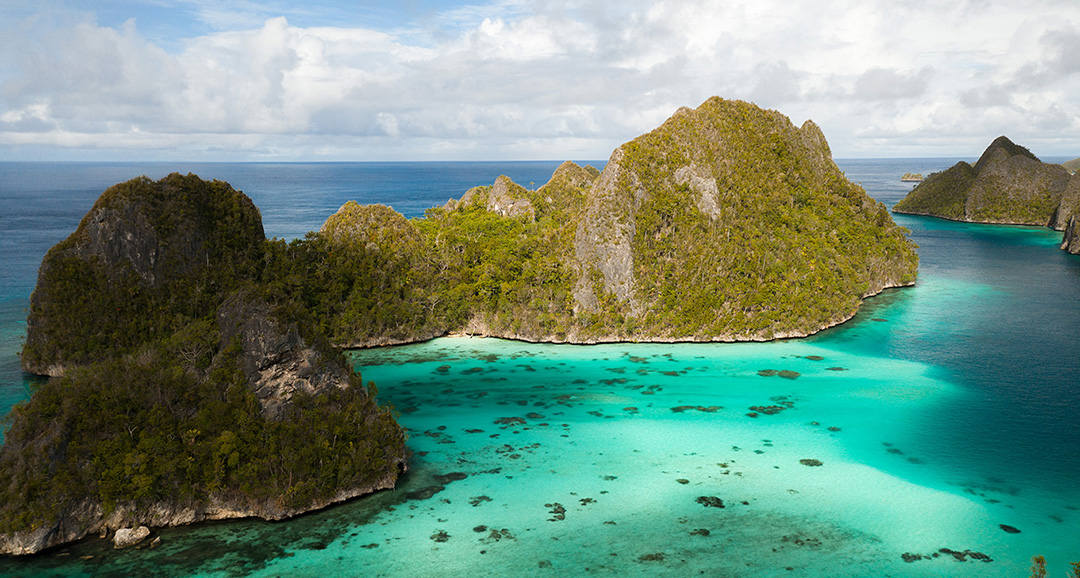
The most iconic of the Raja Ampat islands with its surreal karst landscapes and atolls. As you pull into Wayag, deep blue waters turn to turquoise and mushroom-shaped islets appear before your eyes. This is a protected cluster of islands on the edge of the Pacific where the mostly shallow waters are miraculously calm, as if Mother Nature has sculpted an elaborate landscape for creatures needing a respite from the harsh wilderness.
Kabui Bay
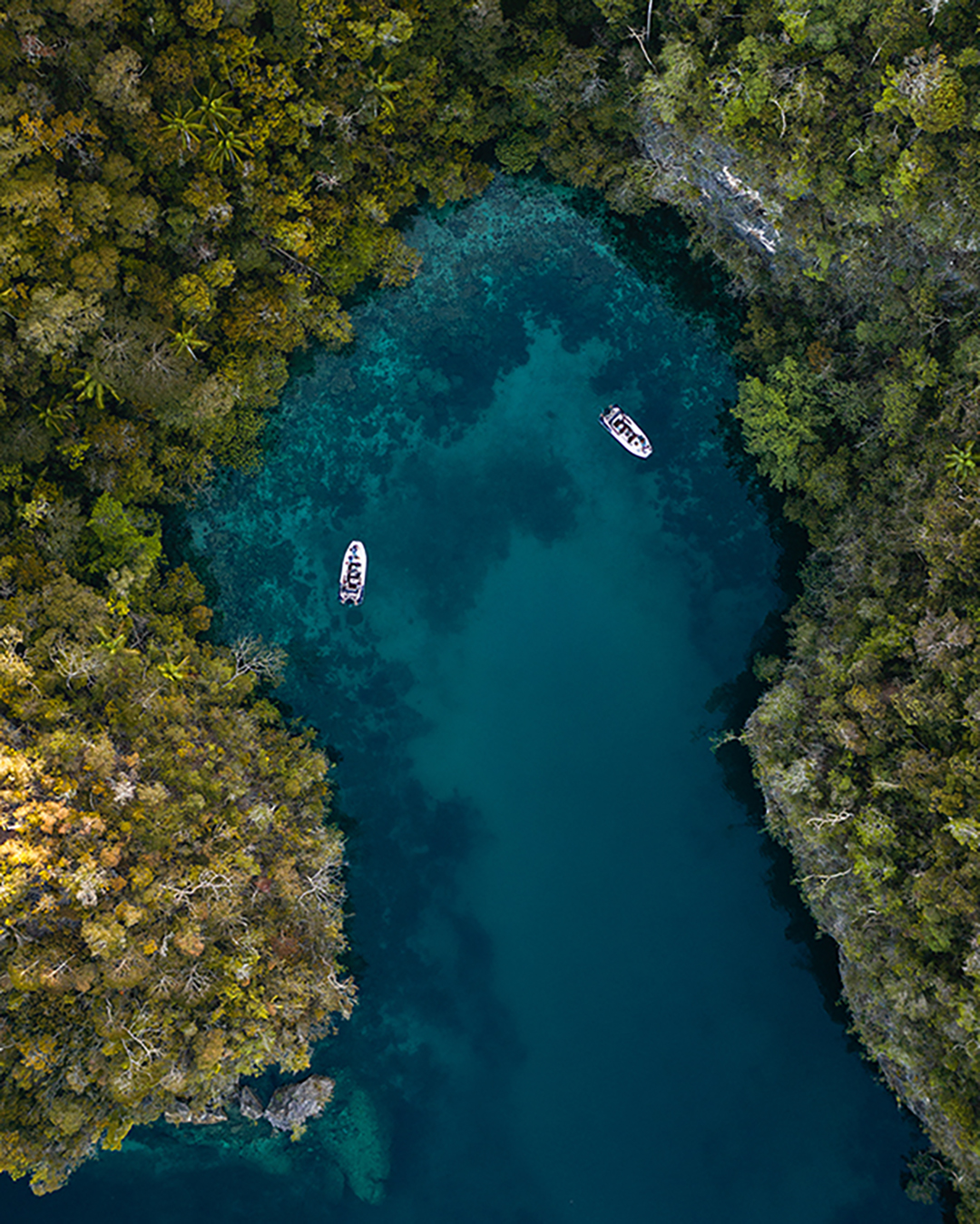
Sailing into Kabui Bay, explorers have the opportunity to discover remote local villages that are adorned with spectacular caves. Some of these caves are full of bats, others have been used for burials in ancient times, and some may feature ancient rock art.The western end of Kabui Bay is also known as ‘The Passage’ – a famous diving and snorkeling site where banded archerfish can be seen stalking their prey just under the water surface. In the vicinity lies a maze of little islands which is a haven for kayaking.
Wayag Island
The most iconic of the Raja Ampat islands with its surreal karst landscapes and atolls. As you pull into Wayag, deep blue waters turn to turquoise and mushroom-shaped islets appear before your eyes. This is a protected cluster of islands on the edge of the Pacific where the mostly shallow waters are miraculously calm, as if Mother Nature has sculpted an elaborate landscape for creatures needing a respite from the harsh wilderness.

Arborek Island
Home to a friendly and welcoming community of Papuan descent, the tiny Arborek Island is known for its impressive, manta-ray-inhabited reef complex. At low tide, a lot of the reef is exposed and it is in these shallow channels that the manta rays like to feed and get cleaned. All around Arborek Island are excellent snorkeling, kayaking and paddleboarding spots.
What to expect in Raja Ampat
Aqua Blu sails Raja Ampat from December to February, some of the best months to discover this region’s landscapes and biodiversity. Here’s what to expect during your luxurious East Indonesian expedition.
What to expect in Raja Ampat
Aqua Blu sails Raja Ampat from December to February, some of the best months to discover this region’s landscapes and biodiversity. Here’s what to expect during your luxurious East Indonesian expedition.
Weather & Rainfall
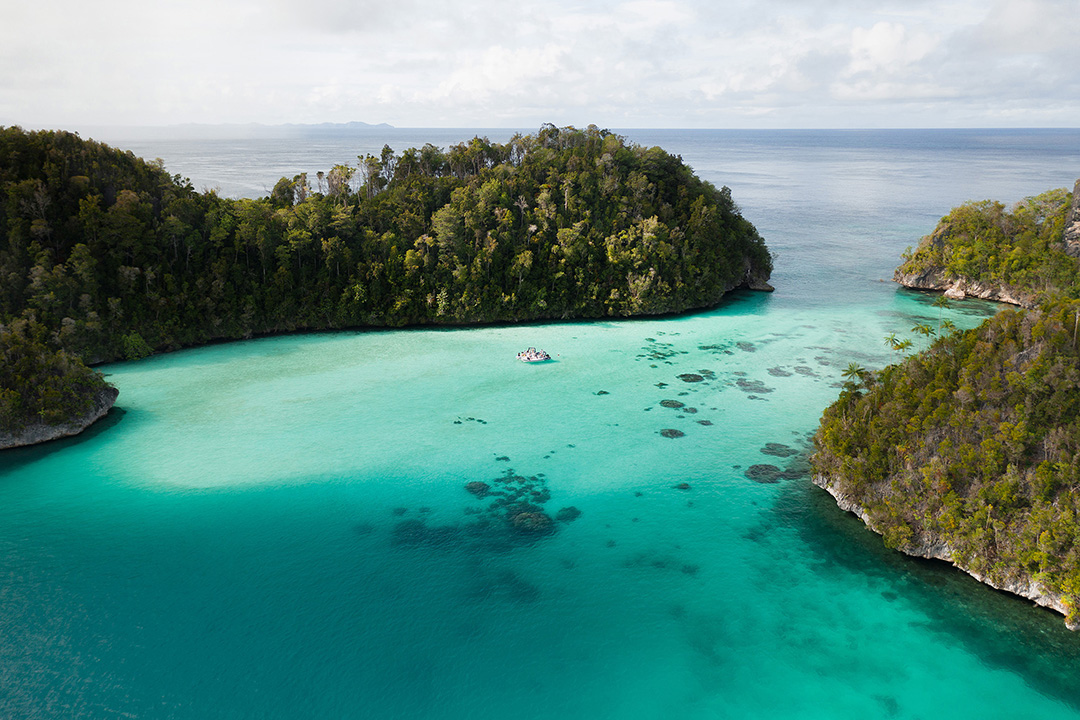
The region of Raja Ampat is dominated by microclimates, which means weather can differ from island to island and hour by hour. It’s not uncommon for rain to fall for a short period (five to 50 minutes) only for bright sunshine and blue skies to return afterwards. This is a common occurrence throughout the year.
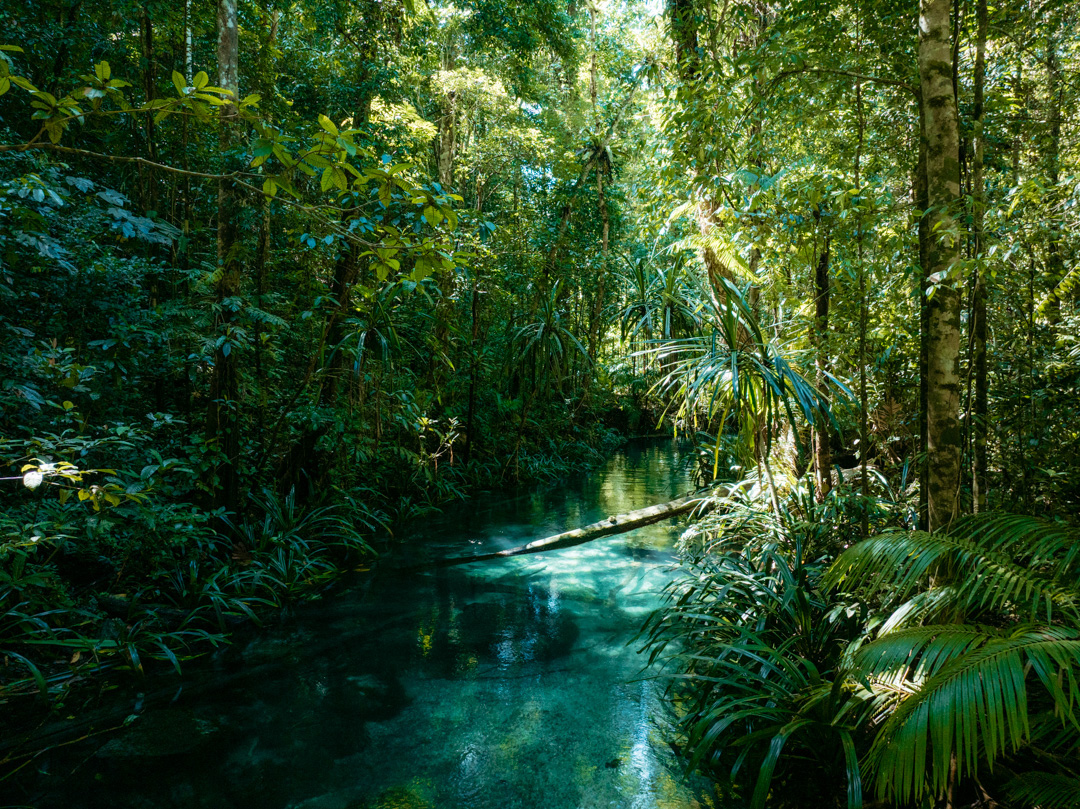
Swim in the Kali Biru River
The island of Waigeo in the West Papua province hosts a lush tropical rainforest, within which flows the mystical Kali Biru river. Take a dip in its gently flowing cerulean waters. This is one of only two places on Earth where it’s possible to spot the red bird-of-paradise.

Visit Pearl Farms at Aljui Bay
Visit the enchanting pearl farm of Aljui Bay, situated in a remote mangrove-lined inlet, this is one of the region’s hidden gems, rarely visited by tourists. Take the opportunity to learn the delicate process of cultivating pearls out of oysters at this farm. This is where some of the world’s best South Sea pearls come from. Buy some pearls for yourself and your loved ones as a memory of this incredible expedition.
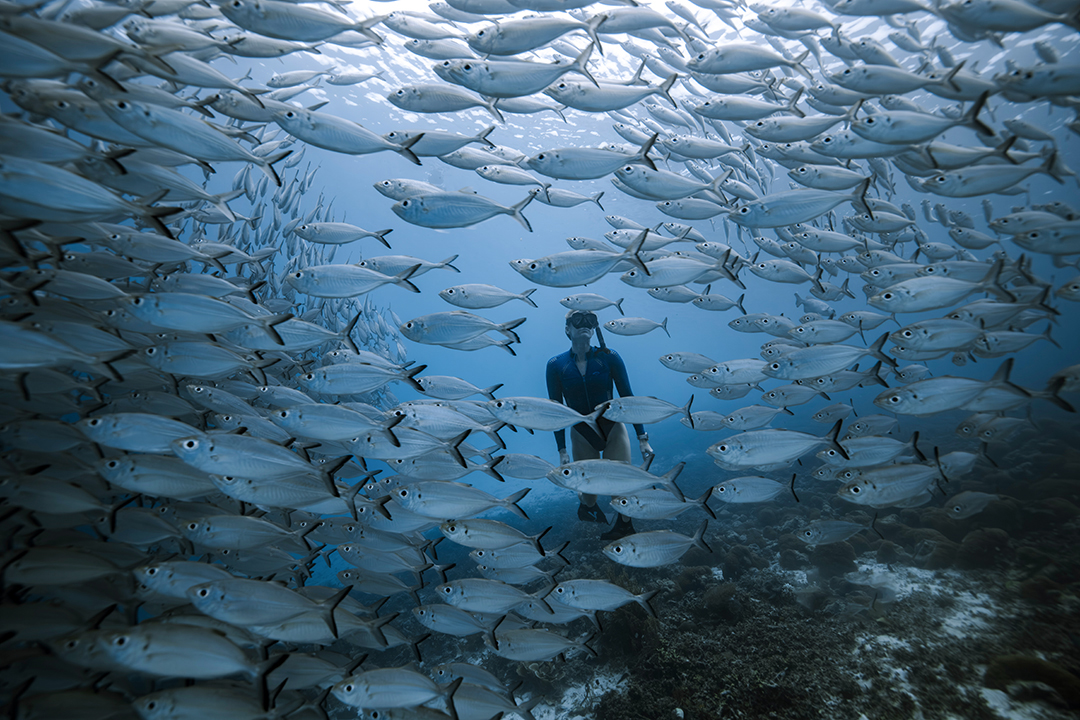
Explore Pristine Coral Reefs
Dubbed “Amazon of the Seas”, the Coral Triangle is the world’s center of marine biodiversity, part of which can be found in Indonesian waters. Explore the breathtaking coral reefs and teeming marine life while sailing on a Raja Ampat luxury cruise. Largely unsullied by modern civilization, Indonesia’s pristine waters are home to 6 out of 7 of the world’s marine turtle species, as well as stingless jellyfish which can only be found on three islands around the world.
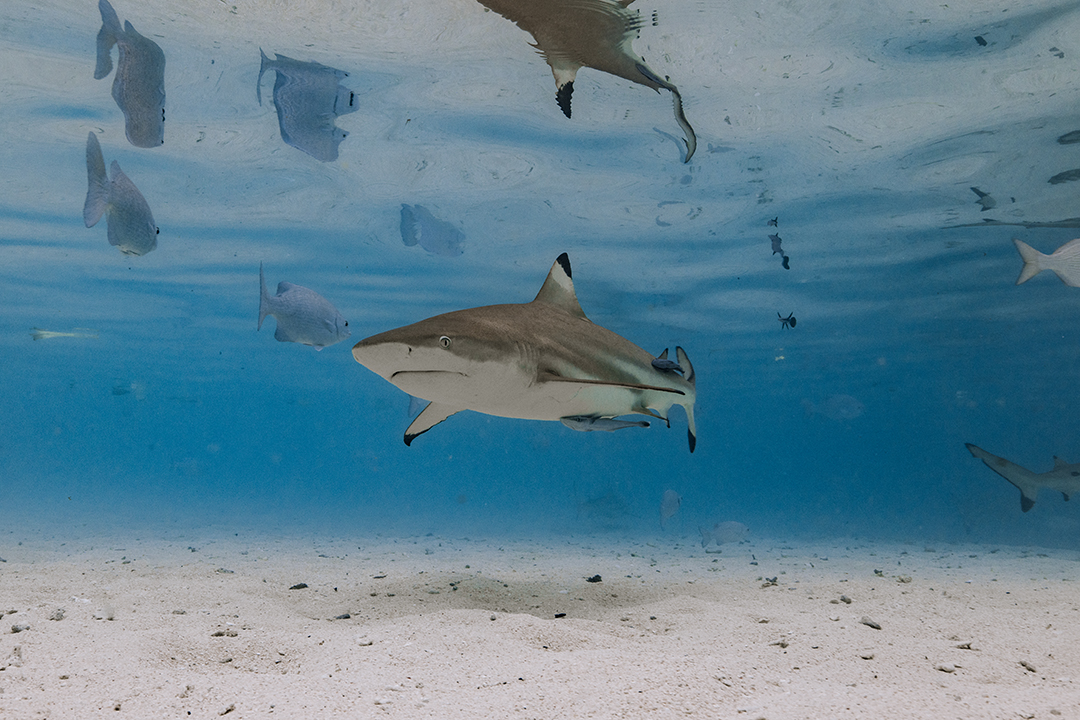
Snorkel at the Manta Cleaning Station
Dayang Island is known for its plethora of marine life, especially Reef Manta Rays and occasionally Oceanic Manta Rays. Snorkelers and divers alike will revel in the close presence of such majestic creatures at the Manta Cleaning Station where the rays gather (they sometimes even get into a queue!) to have small fishes removed and eat the ectoparasites on their skin, teeth and gills.
Weather & Rainfall
The region of Raja Ampat is dominated by microclimates, which means weather can differ from island to island and hour by hour. It’s not uncommon for rain to fall for a short period (five to 50 minutes) only for bright sunshine and blue skies to return afterwards. This is a common occurrence throughout the year.